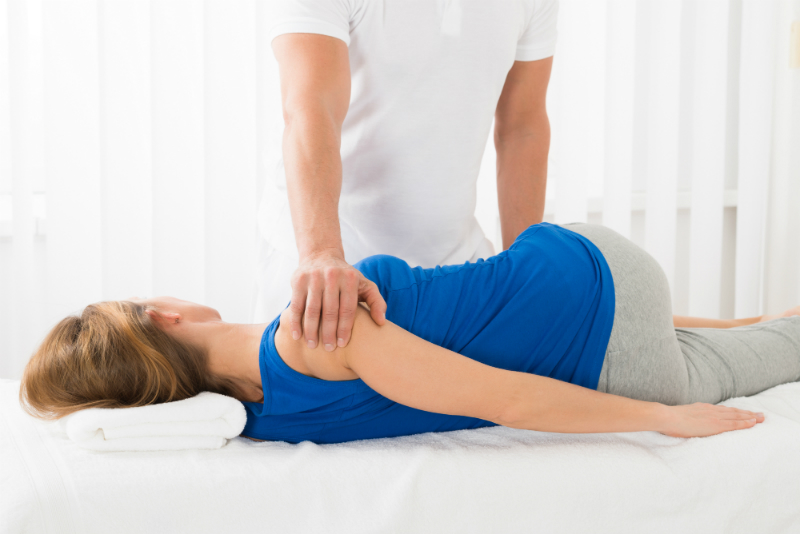
Lower back pain can feel different depending on body position because sitting, standing, and walking place different demands on the spine, muscles, joints, and surrounding tissues. A chiropractor for lower back pain evaluates how movement patterns and physical factors may contribute to discomfort during everyday activities.
Many people notice that their back feels worse after sitting for long periods, improves with movement, or becomes uncomfortable while standing or walking. These changes often relate to how the body responds to different positions and activities.
Understanding why symptoms change with movement can help individuals recognize patterns and seek appropriate guidance when lower back concerns begin affecting daily routines.
Why Does Sitting Sometimes Make Lower Back Pain Worse?
Sitting changes the way the spine and surrounding muscles support the body. Long periods in a seated position can place different demands on the lower back compared with standing or walking.
People who spend several hours at a desk, driving, or using electronic devices may notice increased stiffness or discomfort after remaining in one position for too long. Limited movement during extended sitting can also influence flexibility and mobility.
A back pain chiropractor considers these daily habits when evaluating lower back concerns. Understanding when discomfort appears can provide important information about movement patterns and contributing factors.
How Does Standing Affect Lower Back Discomfort?
Standing requires the body to maintain balance while supporting its own weight. When someone stands for extended periods, the lower back, hips, and surrounding muscles continuously work to maintain posture.
Some individuals may experience increased discomfort while standing because of changes in posture, muscle fatigue, or movement habits. Others may find that standing feels better than sitting because it allows more natural movement.
A chiropractor may assess posture and body mechanics to understand how standing positions influence lower back function.
Why Can Walking Feel Different From Sitting or Standing?
Walking involves repeated movement between the spine, hips, legs, and core muscles. Unlike sitting or standing still, walking requires continuous coordination and weight shifting.
For some people, gentle movement may help reduce stiffness, while others may notice discomfort during longer walks or certain activities. The difference often depends on individual factors, including mobility, strength, and how the body responds to movement.
A chiropractor lower back evaluation focuses on understanding these differences rather than assuming every person experiences back pain in the same way.
What Factors Can Influence Lower Back Pain Patterns?
Lower back discomfort can be affected by several factors, including posture, activity levels, previous injuries, and daily routines. Even small differences in movement habits may influence how the body handles physical demands.
For example, someone who sits most of the day may have different concerns compared with someone whose work requires frequent lifting or standing. Exercise habits, sleep positions, and repetitive movements may also play a role.
At Uemura Chiropractic, they evaluate movement patterns and physical factors to better understand each person’s concerns. Their approach focuses on identifying how the body functions as a whole rather than only addressing the location of discomfort.
How Can a Chiropractor Evaluate Lower Back Pain?
A chiropractic evaluation typically begins with learning about the patient’s symptoms, lifestyle, and movement challenges. The chiropractor may ask when discomfort occurs, what activities affect symptoms, and how movement changes the experience.
Posture, mobility, and physical function may also be considered during an evaluation. This helps create a clearer understanding of how different positions influence the lower back.
They provide care focused on helping patients better understand their condition and explore appropriate options. Their approach to a chiropractor for lower back pain considers individual needs and movement patterns when developing recommendations.
What Role Does Movement Play in Lower Back Care?
Movement is an important part of maintaining physical function. The body is designed to move through different positions, and regular activity can support mobility and coordination.
However, movement needs can vary from person to person. Some individuals may benefit from improving flexibility, while others may need to focus on posture, strength, or changing repetitive habits.
A personalized chiropractor treatment approach may include recommendations based on the patient’s condition, goals, and response to care.
Can Daily Habits Affect Lower Back Comfort?
Everyday routines often influence how the body feels. Sitting at a workstation, carrying items, exercising, or standing for long periods can all create different physical demands.
Being aware of movement habits can help individuals recognize patterns connected to their discomfort. Simple adjustments in how activities are performed may support better body awareness.
A chiropractor can help evaluate these patterns and provide guidance based on the individual’s needs.
When Should Someone Consider Chiropractic Care for Lower Back Pain?
People may consider seeking professional guidance when lower back discomfort continues, interferes with daily activities, or affects how they move. A proper evaluation can help determine what factors may be contributing to the issue.
Understanding whether symptoms change during sitting, standing, or walking provides valuable information during the assessment process.
Understanding Lower Back Pain Through Movement
Lower back pain does not always feel the same throughout the day. Changes in posture, activity, and body position can influence how symptoms appear during sitting, standing, and walking.
By understanding these patterns, individuals can become more aware of their movement habits and seek appropriate care when needed. A personalized chiropractic approach can help evaluate the factors affecting lower back function and support better mobility over time.