Briefly:
- Oral health and systemic health are connected, with gum disease linked to conditions such as heart disease and diabetes.
- Routine preventive visits, cleanings, and exams catch problems early, before they affect broader health.
- Residents of New Albany, IN can access preventive and restorative dentistry through a practice based in Floyds Knobs, IN.
Regular Dental Care does more than preserve a healthy smile; it plays a measurable role in whole-body health, since the condition of the mouth often reflects or influences conditions elsewhere in the body.
The American Dental Association has repeatedly emphasized this connection. Oral health is the bedrock of overall health, with far-reaching implications for physical, mental and social wellness. Research cited by the ADA has established a clear connection between oral health and various systemic diseases such as heart disease, Alzheimer’s disease and diabetes. This means skipping checkups or ignoring early symptoms like bleeding gums is not simply a cosmetic issue.
Why the Mouth Reflects the Rest of the Body
Dentists are often the first clinicians to spot signs of problems that extend beyond the teeth. According to federal health guidance summarized by the ADA, oral conditions are frequently considered separate from other chronic conditions, but these are inter-related, and poor oral health is associated with other chronic diseases such as diabetes and heart disease. Oral disease is also tied to behaviors like tobacco use and high sugar consumption, according to the same guidance.
A few reasons this matters for everyday patients:
- Gum inflammation can signal or worsen cardiovascular strain.
- Untreated infections in the mouth may affect blood sugar control.
- The mouth can act as an early warning system, showing nutritional deficiencies or early systemic illness before other symptoms appear.
Public health researchers continue to study these links; the National Institute of Dental and Craniofacial Research maintains resources on how oral conditions intersect with broader health outcomes.
Preventive Visits as a Practical Strategy
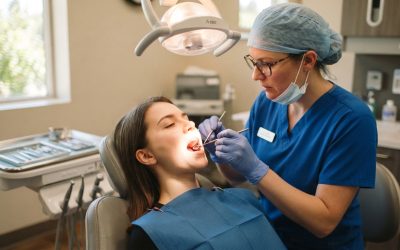
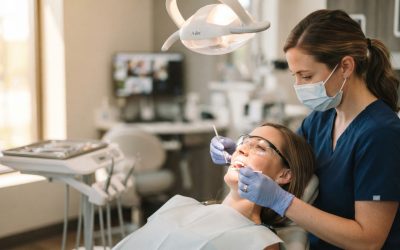
Preventive care remains the most direct way to reduce long-term risk. Scheduled exams and cleanings allow early detection of cavities, gum disease, and other issues before they require more invasive treatment.
| Care Type | What It Involves | Typical Frequency |
| Routine exam | Visual and digital assessment of teeth and gums | Every 6 months |
| Professional cleaning | Removal of plaque and tartar buildup | Every 6 months |
| Restorative treatment | Fillings, crowns, or repair of damaged teeth | As needed |
| Orthodontic evaluation | Assessment of alignment and bite | Periodic, age-dependent |
For residents of New Albany, IN, these visits are generally more effective when approached as ongoing maintenance rather than a reaction to pain or visible damage. A six-month cadence is widely recommended because many oral health issues develop gradually and without obvious early symptoms.
Local Access to Preventive and Restorative Services
Dental practices offering a mix of preventive, restorative, and cosmetic services can address most patient needs without requiring multiple providers. Services commonly associated with this type of practice include routine exams, teeth cleaning, cavity treatment, filling repair, and orthodontic evaluation.
Based in Floyds Knobs, IN, Click here for dental care extends its services to patients living in New Albany, IN, allowing residents to access preventive and restorative dental treatment without needing a provider physically located in that city.
Frequently Asked Questions
How often should adults schedule dental exams? Most guidance recommends a checkup and cleaning every six months, though some patients with gum disease or other risk factors may need more frequent visits.
Can dental problems actually affect conditions like heart disease or diabetes? Research summarized by the ADA points to associations between gum disease and conditions such as heart disease and diabetes, making consistent oral care part of broader health management.
What is the difference between preventive and restorative dental care? Preventive care, such as cleanings and exams, aims to stop problems before they start, while restorative care, such as fillings or crowns, repairs damage that has already occurred.
Is cosmetic dentistry only about appearance? Cosmetic treatments primarily address aesthetics, but many, such as orthodontic correction, can also improve bite function and simplify cleaning, indirectly supporting oral health.
Maintaining consistent oral health habits supports broader wellness goals over time, and current availability details for Click here for dental care are published for the local service area.